Payload-Specific ELISA Kits for Intact ADC Quantification in Preclinical PK Studies
 Publication Date:2026-07-22
 Page Views:125
Introduction
Antibody-drug conjugates (ADCs) undergo in vivo processes such as deconjugation, linker cleavage, and payload release, generating multiple circulating molecular species during systemic exposure. Consequently, ADC pharmacokinetic (PK) studies often incorporate multiple bioanalytical measurements to characterize different molecular forms of the drug.
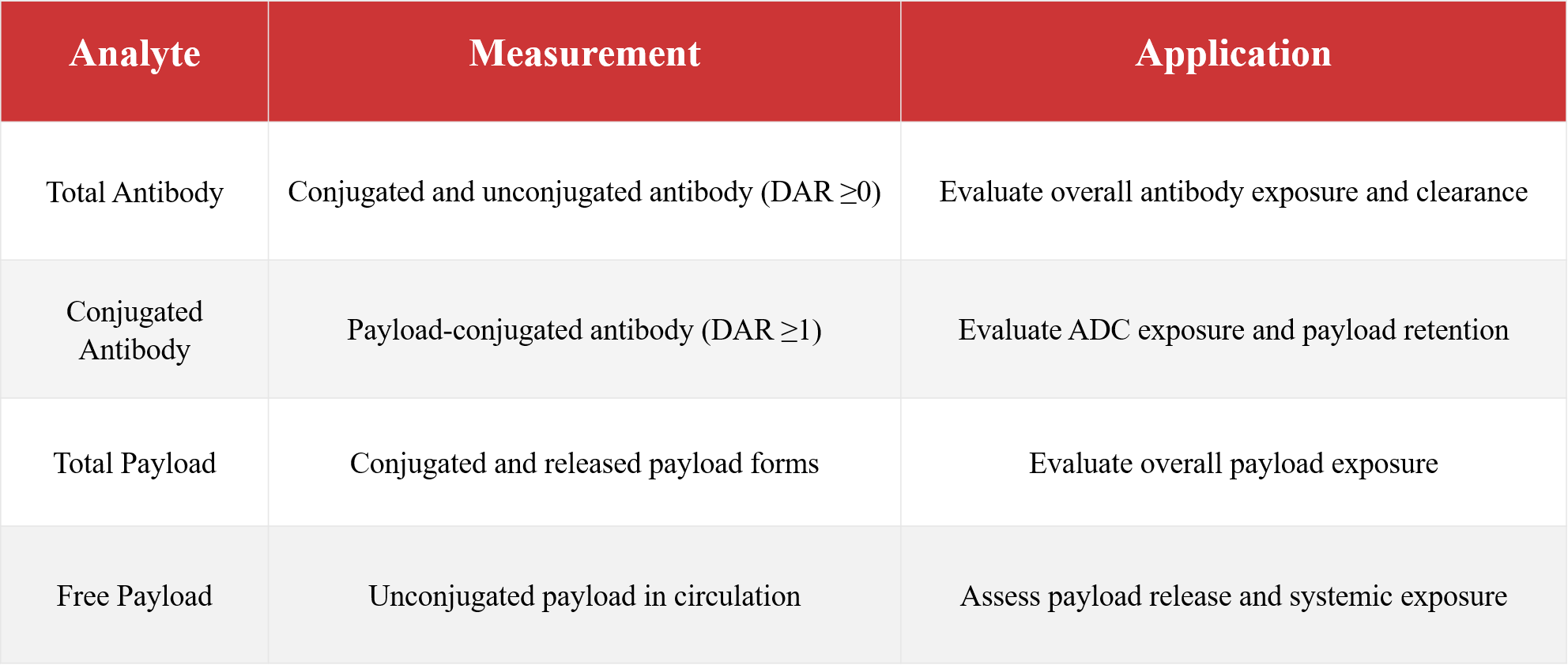
Figure 1. Multiple analytes evaluated during ADC PK studies.
Intact ADC quantification measures antibody molecules that remain conjugated with the payload and is commonly performed alongside total antibody analysis to support PK characterization, toxicokinetic (TK) studies, and linker stability assessment.
This technical product insight introduces the assay principle, analytical performance, and representative applications of ACROBiosystems' payload-specific ELISA kits for intact ADC quantification.
Payload-Specific ELISA for Intact ADC Quantification
Payload-specific immunoassays are widely used for intact ADC quantification in ligand-binding assays (LBAs). Unlike total antibody assays, which quantify the antibody component regardless of conjugation status, payload-specific assays quantify ADC molecules carrying the corresponding payload and are commonly incorporated into preclinical ADC bioanalysis.
ACROBiosystems has developed three payload-specific ELISA kits for quantitative detection of MMAE-, MMAF-, and Exatecan-conjugated ADCs in cynomolgus monkey serum and plasma. The kits are suitable for applications including PK studies, TK studies, linker stability assessment, and comparison of ADC candidates employing different payloads, linkers, or conjugation strategies.
The kits are supplied in a ready-to-use format with pre-coated microplates and optimized assay reagents. Analytical performance has been evaluated for specificity, linearity, precision, accuracy, and recovery. The complete assay can be completed in approximately 2.5 hours.
Assay Principle
The kits are based on a sandwich ELISA format for quantitative detection of intact ADCs (Figure 2). ADC molecules in biological samples are captured by an anti-human IgG antibody and detected using a payload-specific monoclonal antibody. Quantification is performed using a calibration curve generated with the corresponding ADC reference standard.
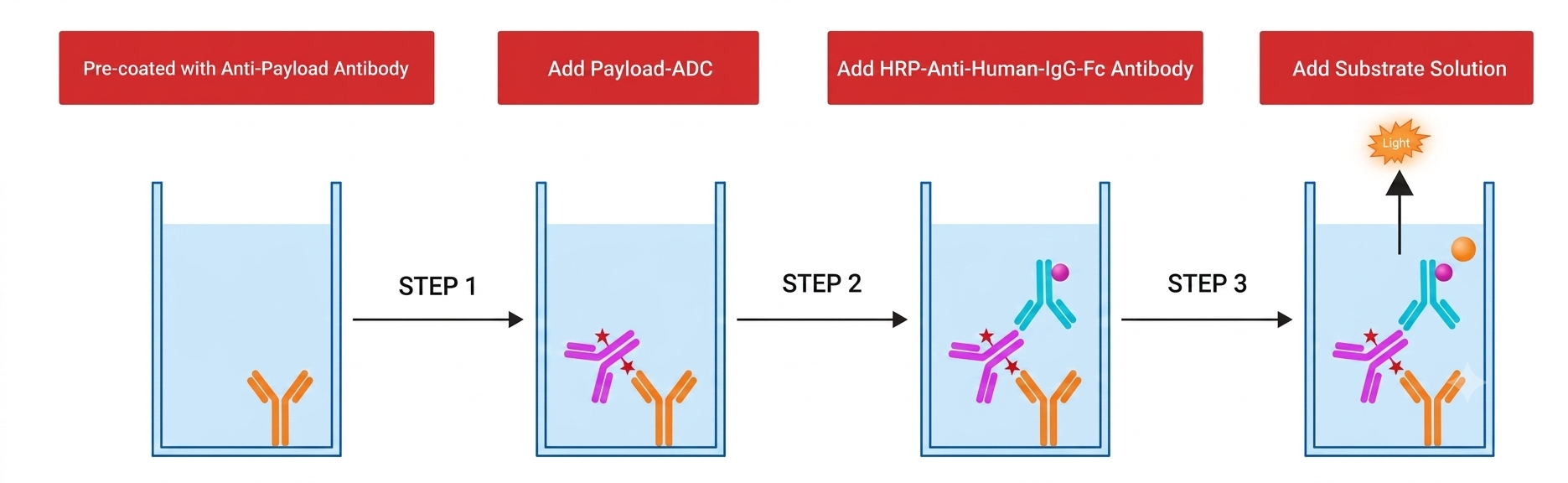
Figure 2. Principle of the payload-specific ELISA for intact ADC quantification.
Product Portfolio
The current product portfolio includes three ELISA kits covering commonly used ADC payload classes in preclinical research.
| Cat. No. | Product Description | Sample Matrix | Tests |
|---|---|---|---|
| PKA-A001 | MMAE-ADC Quantitative Detection ELISA Kit | Cynomolgus monkey serum & plasma | 96 Tests |
| PKA-A002 | MMAF-ADC Quantitative Detection ELISA Kit | ||
| PKA-A003 | Exatecan-ADC Quantitative Detection ELISA Kit |
All kits are supplied in a ready-to-use format with pre-coated microplates and optimized assay reagents.
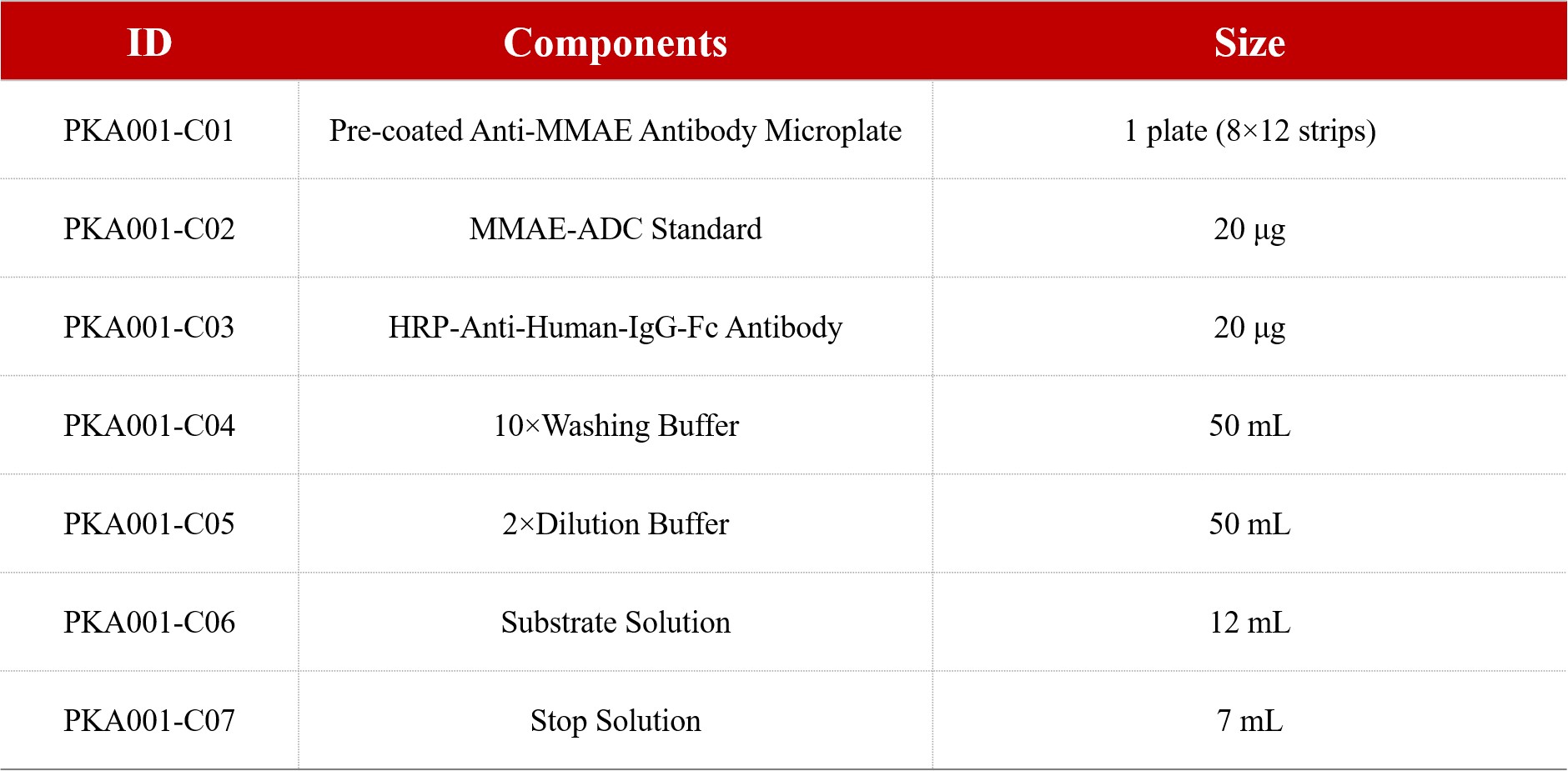
Figure 3. Components of the MMAE-ADC Quantitative Detection ELISA Kit (representative example).
Analytical Performance
Assay Performance
The analytical performance of the ADC Quantitative Detection ELISA Kits was evaluated using standard assay performance parameters, including linearity, precision, accuracy, and recovery. Representative validation results are summarized in Table 1.
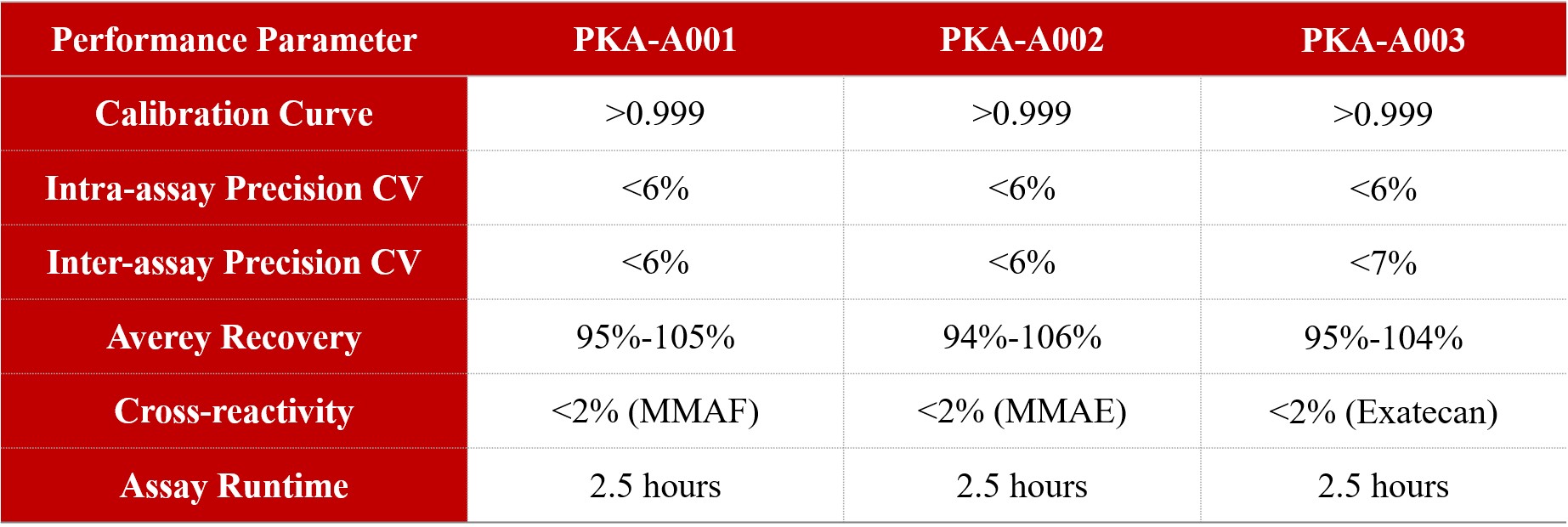
Table 1. Summary of analytical performance of the ADC Quantitative Detection ELISA Kits.
Payload Specificity
Payload specificity was evaluated using ADCs conjugated with different payloads. The anti-payload monoclonal antibodies specifically recognized ADCs carrying the corresponding payload, with no significant cross-reactivity observed toward ADCs conjugated with other payload classes.
As an example, the Anti-MMAE/MMAF antibody (Cat. No. MME-M5252) specifically recognized MMAE- and MMAF-conjugated ADCs, while no significant cross-reactivity was observed with DXd-, SN-38-, or DM1-conjugated ADCs.
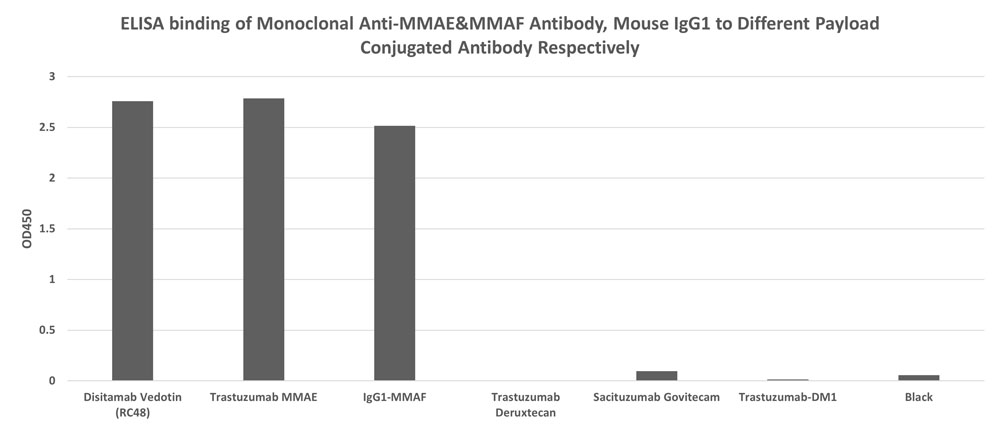
Figure 4. Payload specificity of the Anti-MMAE/MMAF antibody (Cat. No. MME-M5252).
Standard Curve Performance
Representative standard curves were generated using the corresponding ADC reference standards. Figure 5 shows the standard curve generated with the Exatecan-ADC Quantitative Detection ELISA Kit (Cat. No. PKA-A003), demonstrating good linearity across the validated concentration range.
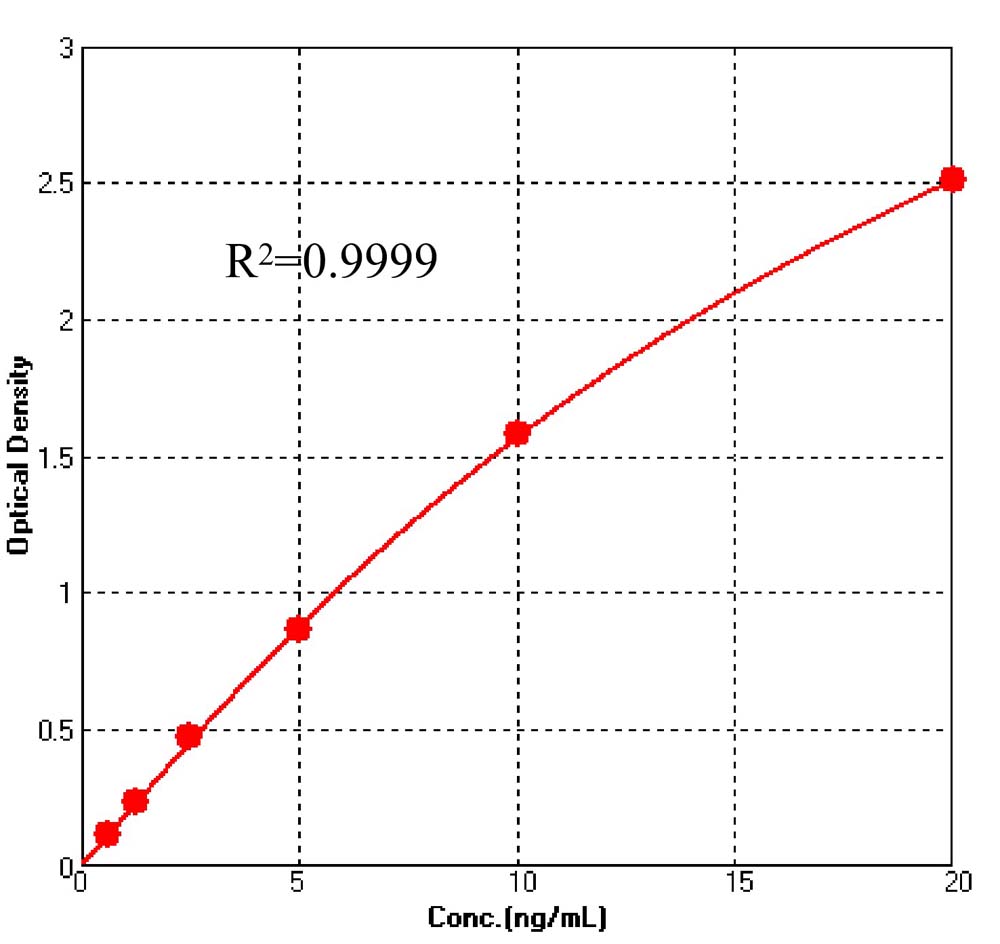
Figure 5. Representative standard curve generated using the Exatecan-ADC Quantitative Detection ELISA Kit (Cat. No. PKA-A003).
Summary
ACROBiosystems has developed payload-specific ELISA kits for quantitative detection of MMAE-, MMAF-, and Exatecan-conjugated ADCs in cynomolgus monkey serum and plasma. The kits have been evaluated for key analytical performance parameters, including specificity, linearity, precision, accuracy, and recovery, and are suitable for preclinical applications including PK studies, TK studies, and linker stability assessment.
Learn more about ACROBiosystems' ADC Pharmacokinetic Analysis Solutions.
FAQ
Q1: What information does intact ADC quantification provide in preclinical PK studies?
A: Intact ADC quantification provides information on antibody molecules that remain conjugated with the payload during systemic circulation. Together with other bioanalytical measurements, such as total antibody analysis, it helps characterize different molecular forms of an ADC throughout preclinical studies. Because ADCs may undergo deconjugation and payload release in vivo, intact ADC measurements provide complementary information for PK characterization, toxicokinetic (TK) studies, and linker stability assessment, supporting a more comprehensive evaluation of ADC disposition.
Q2: What factors can influence intact ADC quantification during preclinical PK studies?
A: Reliable intact ADC quantification depends on multiple aspects of assay design and performance. Factors including assay format, capture and detection reagents, sample matrix, and reference standards can all affect assay performance. During assay development, analytical characteristics such as specificity, linearity, precision, accuracy, and recovery are commonly evaluated to ensure reliable quantitative results. ACROBiosystems' payload-specific ELISA kits have been evaluated for these key analytical parameters and provide a standardized workflow for intact ADC quantification.
Q3: Why is payload specificity important for intact ADC quantification?
A: Payload specificity is essential because intact ADC assays should selectively recognize antibody molecules carrying the target payload while minimizing cross-reactivity with ADCs conjugated to other payloads. This is particularly important when different payload classes are used during ADC discovery and preclinical evaluation. ACROBiosystems evaluates payload specificity using representative ADCs carrying different payloads. Representative data presented in this technical insight demonstrate specific recognition of MMAE- and MMAF-conjugated ADCs with minimal cross-reactivity toward several other commonly used payload classes.
Q4: How is payload specificity evaluated for intact ADC assays?
A: Payload specificity is typically evaluated by testing the assay against ADCs conjugated with different payloads to assess selective recognition of the intended analyte. A payload-specific assay should generate measurable responses only for ADCs carrying the corresponding payload while showing minimal cross-reactivity with unrelated payload classes. As demonstrated in this technical insight, ACROBiosystems' anti-payload monoclonal antibodies were evaluated using representative ADC panels to verify payload-specific recognition before application in intact ADC quantification.
Q5: How are payload-specific ELISA kits used in preclinical ADC studies?
A: Payload-specific ELISA kits are widely used for quantitative analysis of intact ADCs in preclinical bioanalysis. Typical applications include pharmacokinetic (PK) studies, toxicokinetic (TK) studies, linker stability assessment, and comparative evaluation of ADC candidates employing different payloads, linkers, or conjugation strategies. ACROBiosystems currently provides ready-to-use ELISA kits for quantitative detection of MMAE-, MMAF-, and Exatecan-conjugated ADCs in cynomolgus monkey serum and plasma, supporting intact ADC quantification with a conventional ELISA workflow.
 Popular ArticlesRelated RecommendationsPopular Events
 Beyond Bispecifics: How Multispecific Antibodies Are Breaking the Efficacy Ceiling2026-08-10Page Views:39
 Autoimmune Disease 3.0: Biomarkers Driving the Future of Precision Drug Development2026-08-06Page Views:38
 Application-Oriented Functional Cell Lines | Case Study Series2026-08-03Page Views:75
 AI-Assisted Bispecific Antibody Development: From Target Pairing Prediction to Experimental Validation2026-07-31Page Views:87
 The Brain's Fountain of Youth: How Modern Neuroscience Is Decoding Healthy Brain Aging2026-07-31Page Views:48





 Related Products