Beyond G12C: New Directions in KRAS Drug Discovery
 Publication Date:2026-06-10
 Page Views:283

Insights from AACR 2026 and Recent Advances in KRAS-Targeted Therapeutics
The development of KRAS G12C inhibitors represented an important milestone in targeted cancer therapy. In non-small cell lung cancer (NSCLC), KRAS G12C inhibitors have demonstrated clinical activity and established KRAS as a druggable target. However, the patient population eligible for G12C-targeted therapies remains limited, and acquired resistance has emerged as a major challenge affecting long-term treatment outcomes.
As a result, current research efforts are increasingly focused on expanding therapeutic strategies beyond G12C and addressing resistance mechanisms associated with KRAS-driven cancers.
Recent findings presented at AACR 2026, together with the review From G12C to pan-RAS: The Expanding Therapeutic Landscape of KRAS-Mutant NSCLC, illustrate several areas of active investigation in the field. These include the development of inhibitors targeting additional KRAS alleles, RAS(ON) inhibition strategies, pan-RAS approaches, targeted protein degradation, and combination therapies designed to address pathway reactivation and treatment resistance.
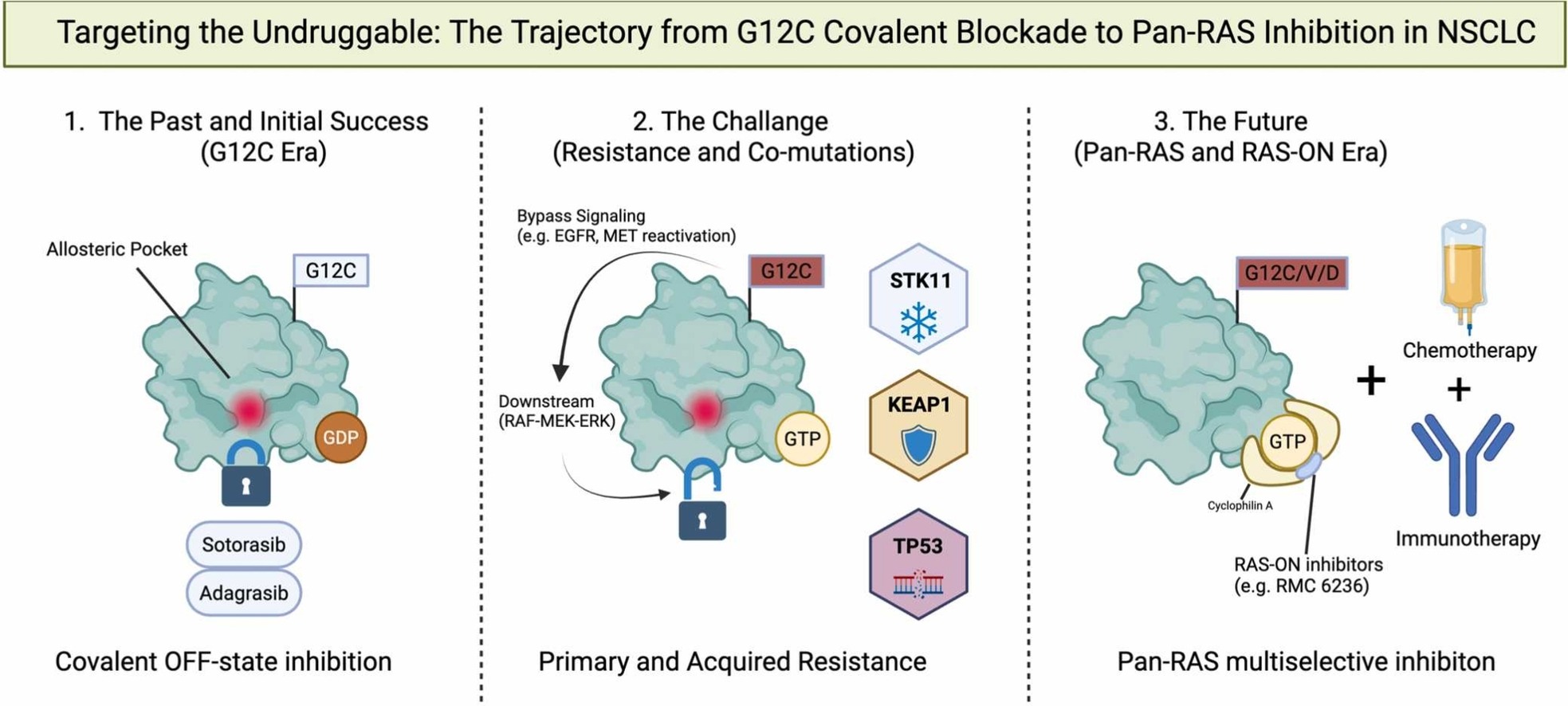
Figure 1. Evolution of KRAS-targeted therapeutic strategies in NSCLC. Source: https://doi.org/10.1016/j.critrevonc.2026.105344
Understanding the Challenges of KRAS-Targeted Therapy
KRAS is a small GTPase that functions as a molecular switch, cycling between an inactive GDP-bound state and an active GTP-bound state. Through this process, KRAS regulates signaling pathways involved in cell proliferation, differentiation, and survival.
Oncogenic KRAS mutations disrupt this regulatory cycle, resulting in persistent activation of downstream signaling pathways. The success of KRAS G12C inhibitors was enabled by the presence of a reactive cysteine residue at codon 12, which allowed the development of covalent inhibitors that selectively target the inactive GDP-bound form of KRAS.
Despite this progress, several limitations have become apparent. In NSCLC, resistance can arise through secondary KRAS mutations, including alterations such as Y96D and R68S, as well as through activation of bypass signaling pathways involving receptor tyrosine kinases (RTKs) such as EGFR and MET. In addition, because current G12C inhibitors primarily bind inactive KRAS, their activity may be influenced by the dynamic activation state of the protein.
The mutational landscape also differs across tumor types. While G12C is one of the most common KRAS mutations in NSCLC, G12D and G12V occur more frequently in pancreatic ductal adenocarcinoma (PDAC) and colorectal cancer (CRC). Because these variants do not contain the reactive cysteine residue present in G12C, alternative therapeutic strategies are required.
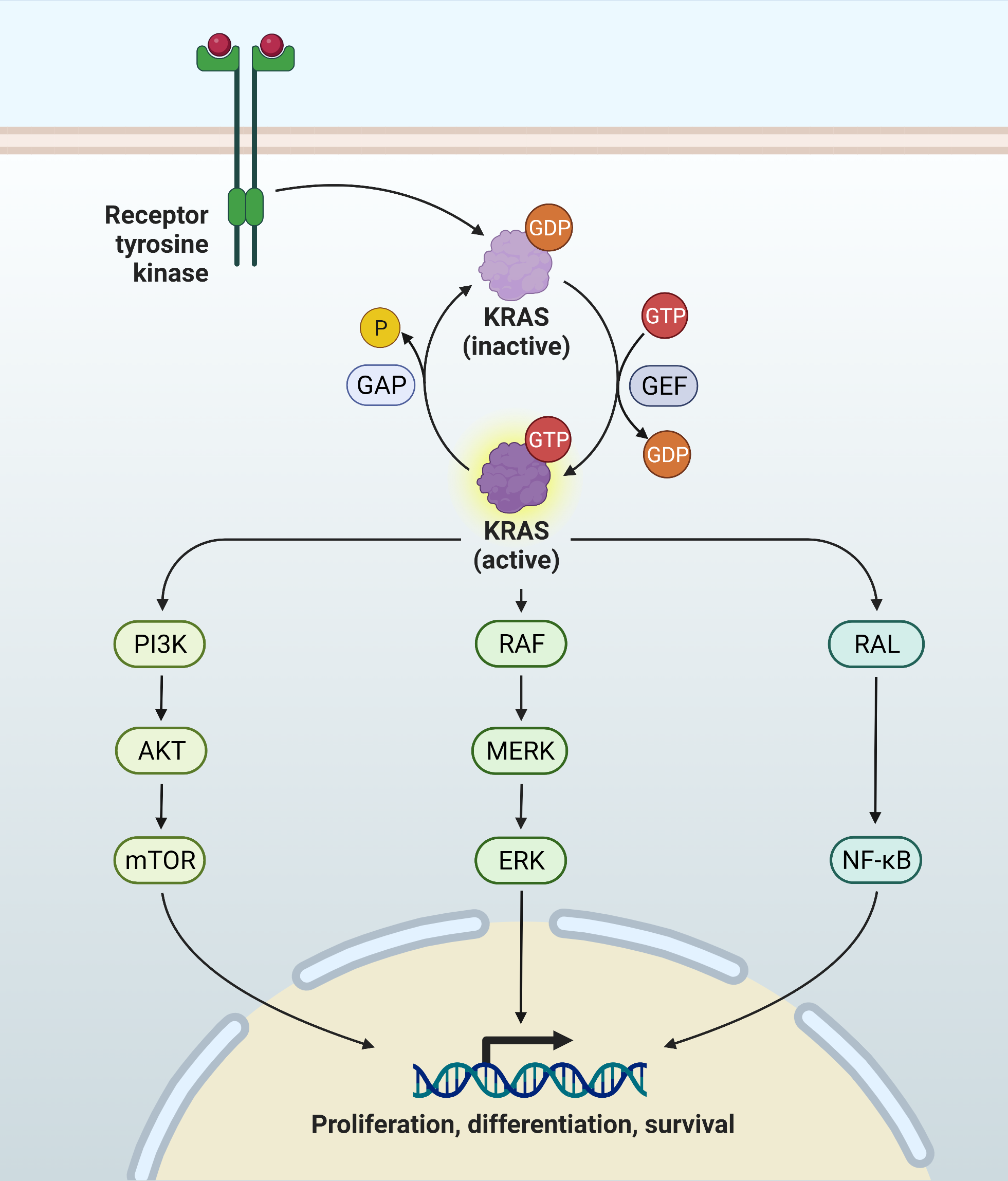
Figure 2. Schematic overview of the Ras signaling pathway. Source: BPS Bioscience.
Beyond KRAS itself, co-occurring genomic alterations can influence treatment response. Mutations in STK11, KEAP1, and TP53 have been associated with changes in tumor biology and the immune microenvironment, while RTK-mediated pathway activation remains an important mechanism of resistance.
Emerging Directions Beyond G12C
The limitations of current KRAS-targeted therapies have prompted the exploration of additional therapeutic approaches. Recent research efforts can be broadly categorized into several areas, including the development of inhibitors against additional KRAS alleles, active-state RAS targeting, pan-RAS inhibition, and targeted protein degradation.
- Targeting Additional KRAS Mutations
One approach is the development of inhibitors directed against KRAS mutations beyond G12C, particularly G12D. Because G12D is among the most prevalent KRAS alterations in PDAC and CRC, it has become a major focus of ongoing drug discovery efforts aimed at expanding the scope of KRAS-targeted therapies.
- Targeting Active KRAS Through RAS(ON) Inhibition
Another area of investigation involves targeting active, GTP-bound KRAS. Unlike conventional KRAS(OFF) inhibitors, RAS(ON) inhibitors such as RMC-6236 utilize a tri-complex mechanism to engage active RAS proteins. This approach is being investigated as a means of targeting multiple KRAS variants while directly engaging the signaling-competent form of the protein.
- Pan-RAS Approaches
Pan-RAS strategies aim to inhibit signaling across multiple RAS variants rather than focusing on a single KRAS mutation. These approaches are being explored as a potential way to address mutation diversity and resistance mechanisms associated with alterations in the RAS signaling network.
- Targeted Protein Degradation
Targeted protein degradation represents another area of active research. PROTACs and molecular glues utilize the ubiquitin-proteasome system to induce degradation of target proteins rather than inhibiting their activity alone. For KRAS, protein degradation is being investigated as an alternative approach that may complement conventional inhibitor-based strategies. Research in this area remains ongoing.
Combination Therapies Remain an Active Area of Investigation
The increasing understanding of KRAS biology has also led to growing interest in combination treatment strategies.
Current studies are evaluating combinations of KRAS inhibitors with SHP2 inhibitors, MEK inhibitors, RTK inhibitors, and immune checkpoint inhibitors (ICIs). These approaches are intended to address pathway reactivation, suppress compensatory signaling, and overcome resistance mechanisms that can limit the effectiveness of KRAS-targeted therapies.
Together, these efforts reflect the broader focus on understanding and modulating the signaling networks associated with KRAS-driven tumors.
Research Tools Supporting Emerging KRAS Drug Discovery Strategies
As KRAS drug discovery expands beyond G12C inhibition, researchers increasingly require recombinant proteins to support applications ranging from mutation profiling and selectivity assessment to mechanism-of-action studies and degrader characterization. To address these needs, ACROBiosystems offers a comprehensive portfolio of recombinant KRAS proteins covering wild-type KRAS and multiple clinically relevant variants, including G12C, G12D, G12V, G12S, G12A, G12R, G13D, and Q61H.
These proteins are produced to support studies requiring physiologically relevant protein conformation and activity. Purity is verified by SEC-HPLC, and selected products are supplied with validated activity data to facilitate biochemical, biophysical, and functional analyses. For applications involving affinity characterization and targeted protein degradation research, selected KRAS proteins are also available in site-specific AviTag™ biotinylated formats. Compared with conventional random biotinylation approaches, site-specific biotinylation enables more uniform immobilization and helps minimize potential interference with binding interfaces, supporting assay consistency in technologies such as SPR and BLI.
As KRAS research increasingly extends beyond allele-specific inhibition toward active-state targeting, pan-RAS approaches, and targeted protein degradation, access to recombinant proteins with broad mutation coverage and well-characterized biological activity remains important.
Outlook
Recent advances in KRAS research highlight the increasing diversity of therapeutic approaches under investigation, including additional allele-specific inhibitors, RAS(ON) targeting strategies, pan-RAS approaches, targeted protein degradation, and combination therapies.
As these research areas continue to develop, studies aimed at understanding KRAS biology, characterizing drug-target interactions, and evaluating emerging therapeutic modalities will continue to require robust experimental tools and well-characterized recombinant proteins to support discovery and mechanistic research.
FAQ
Q1: Why are researchers increasingly studying KRAS mutations beyond G12C?
A: While KRAS G12C inhibitors have demonstrated clinical benefit in NSCLC, G12C represents only a subset of KRAS-driven cancers. Mutations such as G12D and G12V are more prevalent in PDAC and CRC, driving interest in broader KRAS-targeting strategies. These efforts often require access to multiple KRAS variants for screening and mechanistic studies. To support these studies, ACROBiosystems provides recombinant KRAS proteins covering WT KRAS and multiple clinically relevant variants, including G12C, G12D, G12V, G13D, and Q61H.
Q2: What should researchers consider when selecting recombinant KRAS proteins?
A: Key considerations include mutation coverage, protein purity, biological activity, and assay compatibility. The optimal protein format depends on the research objective, whether for inhibitor screening, mutation profiling, or functional characterization. ACROBiosystems provides recombinant KRAS proteins in multiple formats, including WT and mutant variants, active proteins, and AviTag™ biotinylated proteins.
Q3: Why is protein activity important for KRAS research?
A: As a GTPase, KRAS function depends on its conformational and nucleotide-binding state. Protein activity can directly affect binding studies and functional assays. ACROBiosystems recombinant KRAS proteins are supplied with validated activity data, supporting reliable inhibitor screening and mechanism-of-action studies.
Q4: Are biotinylated KRAS proteins useful for SPR and BLI assays?
A: Yes. Site-specific biotinylation can provide more uniform immobilization than random chemical labeling and help support consistent affinity measurements. ACROBiosystems offers selected KRAS proteins in AviTag™ biotinylated formats for SPR, BLI, molecular glue, and PROTAC-related studies.
Q5: What KRAS protein formats are commonly used in drug discovery?
A: Different applications may require different protein formats, including wild-type proteins, disease-associated mutants, active proteins, and biotinylated proteins. ACROBiosystems provides a range of KRAS formats designed to support target validation, inhibitor screening, affinity characterization, and targeted protein degradation research.
 Popular ArticlesRelated RecommendationsPopular Events
 A Comprehensive Guide to Sterility Testing in Biopharmaceutical Manufacturing: From Compendial Methods to qPCR-Based Rapid Testing2026-07-27Page Views:47
 Biomarkers: Enabling Precision Assessment of Cardio-Kidney-Metabolic (CKM) Syndrome2026-07-24Page Views:74
 Converging at BIO, ACROBiosystems Connects Emerging Innovation Assets with Global Strategic Opportunities2026-07-24Page Views:72
 Payload-Specific ELISA Kits for Intact ADC Quantification in Preclinical PK Studies2026-07-22Page Views:83
 Expanding the Potential of Hematopoietic Stem Cells (HSCs): Emerging Strategies for HSCs Expansion and Clinical Manufacturing2026-07-22Page Views:73




![[Free Sample] Universal Fluorescent Anti-VHH Antibody — Precise Detection of VHH-Based CAR Expression](https://console.acrobiosystems.com/uploads/demo/2026/06/02/Anti-VHHAntibodySmallbanner.jpg)
 Related Products