
Overview

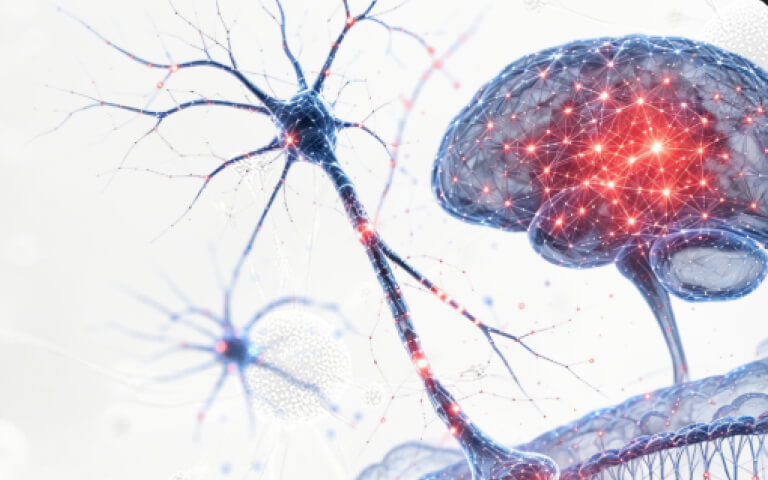
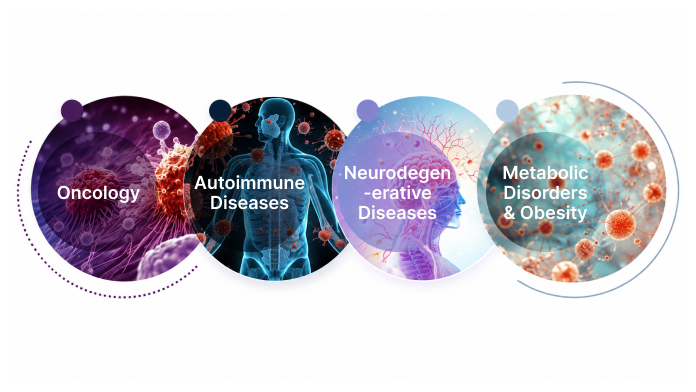
Disease Areas represent key therapeutic fields driving biologics innovation, where complex biology demands highly relevant, high-quality research tools for target validation, mechanism study, and drug candidate screening. These areas include Autoimmune Diseases, Oncology, Neurodegenerative Diseases, and Metabolic Disorders & Obesity, covering the most critical challenges in global healthcare. At ACROBiosystems, we provide a comprehensive portfolio of recombinant proteins, antibodies, functional cell lines, and assay kits tailored to each disease area, enabling efficient drug discovery and translational research from early target exploration to preclinical and clinical development.
Overview

Resources

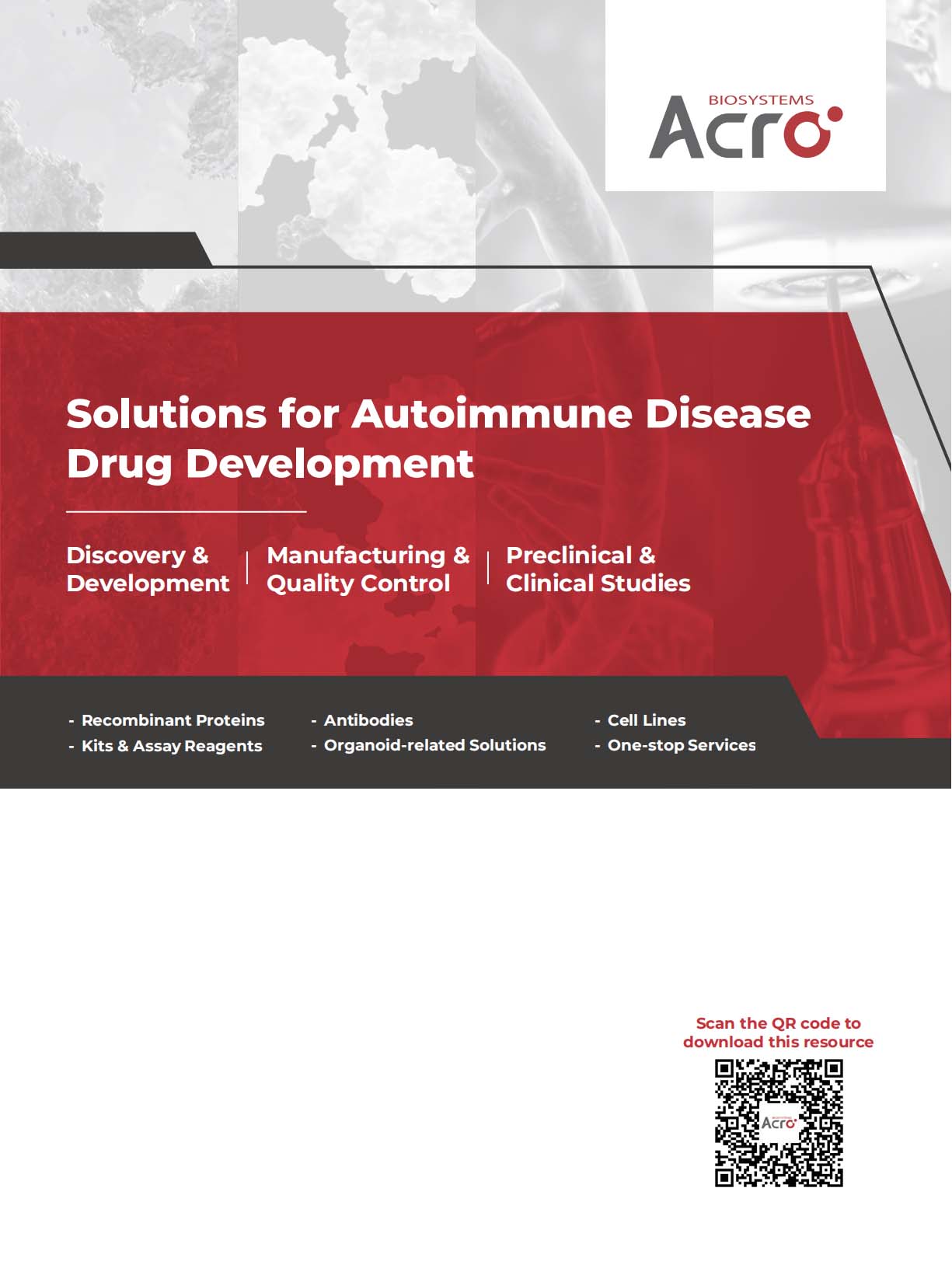
Solutions for Autoimmune Disease Drug Development

Solutions for Autoimmune Disease Drug Development

Request PDF
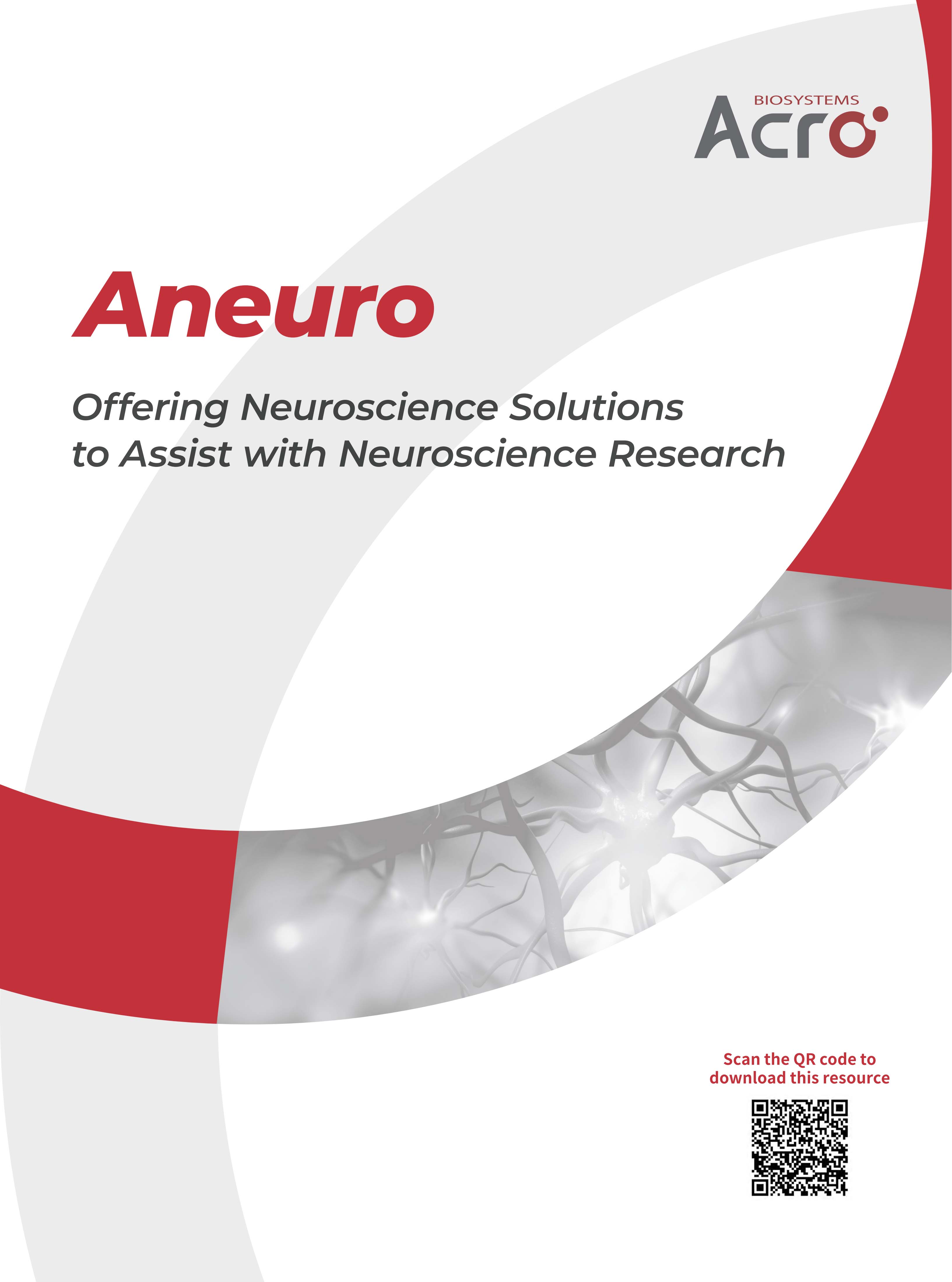
Aneuro-Advance Neuroscience Research-202303-EN

Aneuro-Advance Neuroscience Research-202303-EN

Request PDF
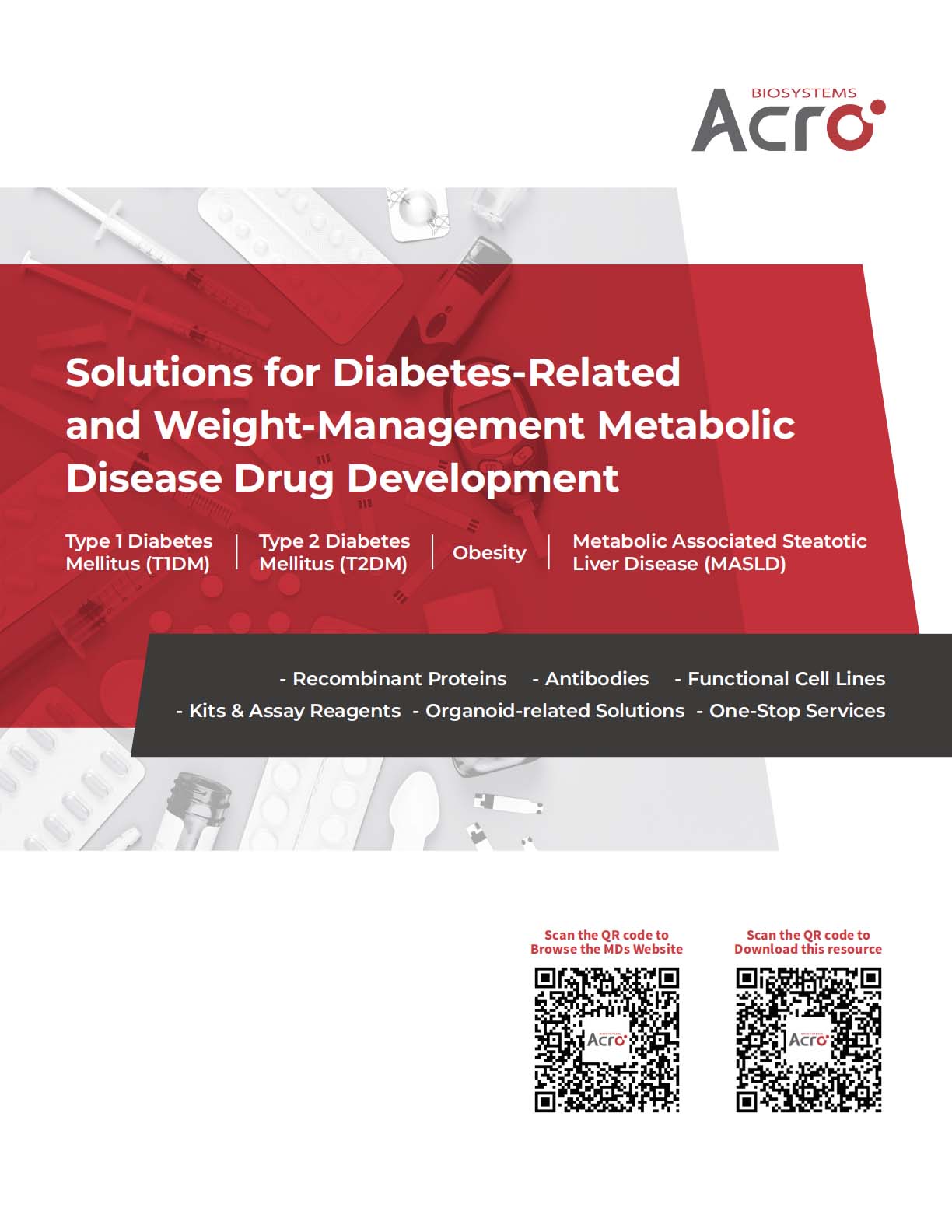
Solutions for Diabetes-Related and Weight-Management Metabolic Disease Drug Development

Solutions for Diabetes-Related and Weight-Management Metabolic Disease Drug Development

Request PDF
Solutions for Autoimmune Disease Drug Development

Solutions for Autoimmune Disease Drug Development

Request PDF
Aneuro-Advance Neuroscience Research-202303-EN

Aneuro-Advance Neuroscience Research-202303-EN

Request PDF
Solutions for Diabetes-Related and Weight-Management Metabolic Disease Drug Development

Solutions for Diabetes-Related and Weight-Management Metabolic Disease Drug Development

Request PDF

Webinars

1/2
webinar
play
webinar
play
webinar
play
webinar
play
webinar
play
webinar
play
webinar
play

Frequently Asked Questions

Q

Why are biomarkers important in translational research?

Biomarkers are important in translational research because they provide measurable indicators of biological processes, disease status, or treatment response. They can support patient stratification, target engagement analysis, response monitoring, and safety assessment. In targeted therapy development, biomarkers may also help identify patient populations most likely to benefit from a specific treatment. By linking laboratory findings with clinical outcomes, biomarkers help improve the efficiency and success of translational development.
Q

How are therapeutic targets identified in disease research?

Therapeutic targets are identified by evaluating a molecule’s role in disease mechanisms and its potential for therapeutic intervention. Researchers often assess genetic evidence, abnormal protein expression, pathway relevance, disease specificity, and differences between diseased and healthy tissues. A strong target should have clear biological relevance and a favorable safety window. Functional validation in relevant preclinical models is then needed to confirm that modulating the target can produce the desired biological effect.
Q

How does disease biology guide drug discovery?

Disease biology provides the foundation for modern drug discovery by helping researchers understand the mechanisms, pathways, and cellular interactions that drive disease. This understanding supports the identification of therapeutic targets, disease-relevant biomarkers, and appropriate experimental models. It also helps researchers connect biological mechanisms with therapeutic strategies more effectively. Relevant disease models, including advanced in vitro systems such as organoids, can further support drug screening, target validation, and translational research.

Explore More Topics

Cell and Gene Therapy

Cell and Gene Therapy

Antibody-Drug Conjugates

Antibody-Drug Conjugates

CMC Manufacturing & QC

CMC Manufacturing & QC

Bispecific Antibodies

Bispecific Antibodies

Vaccines

Vaccines

Research & Innovation

Research & Innovation